



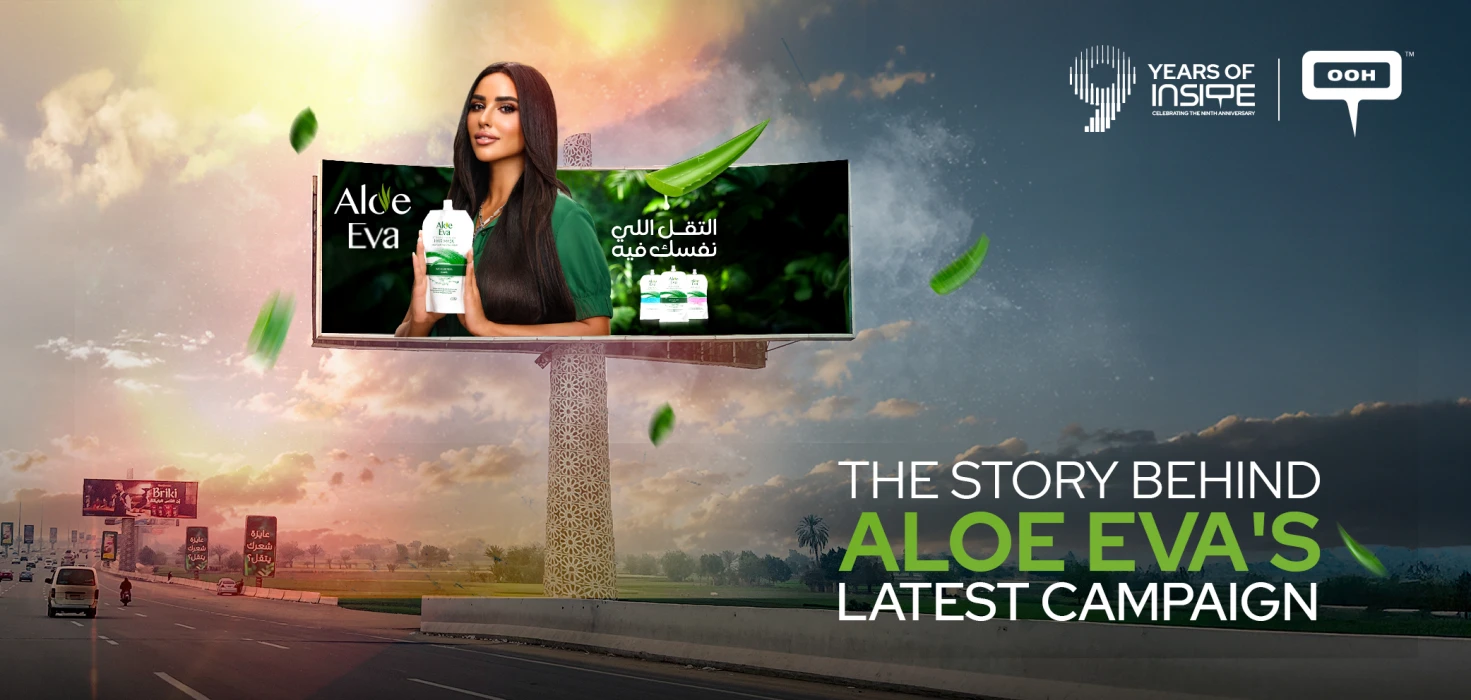
When a Brand Stops Telling and Starts Connecting: The Story Behind Aloe Eva's Latest Campaign
Thirty Years in the Making
Some brands are built overnight. Aloe Eva was built across generations.
For over three decades, the Egyptian haircare brand has occupied a quiet but consistent space in Egyptian households, passed down not through aggressive marketing but through the kind of familiarity that only time can earn. Mothers introduced it to daughters, and somewhere along the way, Aloe Eva became less of a product and more of a household name, synonymous with nature and trust.
But legacy alone doesn't guarantee relevance. As the marketing team at Aloe Eva, put it plainly: The conversation around the brand began to change, and people started paying attention. What followed was a louder, more deliberate reckoning with who the brand...needed to be for a new generation of consumers.
The Gap Nobody Was Talking About
The brief that shaped this year's campaign wasn't born from a crisis. It was born from a sharp observation. Through consumer research, the Aloe Eva team identified a perception gap that, once seen, couldn't be unseen.
Consumers arrived at Aloe Eva through different doors. For some, the brand represented a commitment to natural ingredients they already believed in. For others, the proof was already in the mirror — stronger, thicker hair — and Aloe Eva was the reason, whether or not they had always framed it that way. The brand had both pillars, nature and performance, but they existed in separate rooms in the consumer's mind. Nobody was opening the door between themthe marketing team explained. "It was connecting the cause with the effect." The question the team needed to answer wasn't whether consumers knew about Aloe Vera. It was whether they understood why Aloe Vera made the difference. Nature as cause. Strengthening as process. Thickness as result. That three-part chain became the backbone of everything that followed.
The Science of Attribution, Applied to Billboards
The solution, when it arrived, drew on a behavioral psychology principle called Attribution Theory, the human need to connect causes with outcomes. The Aloe Eva team didn't just apply this conceptually. They applied it visually, spatially, and at scale.
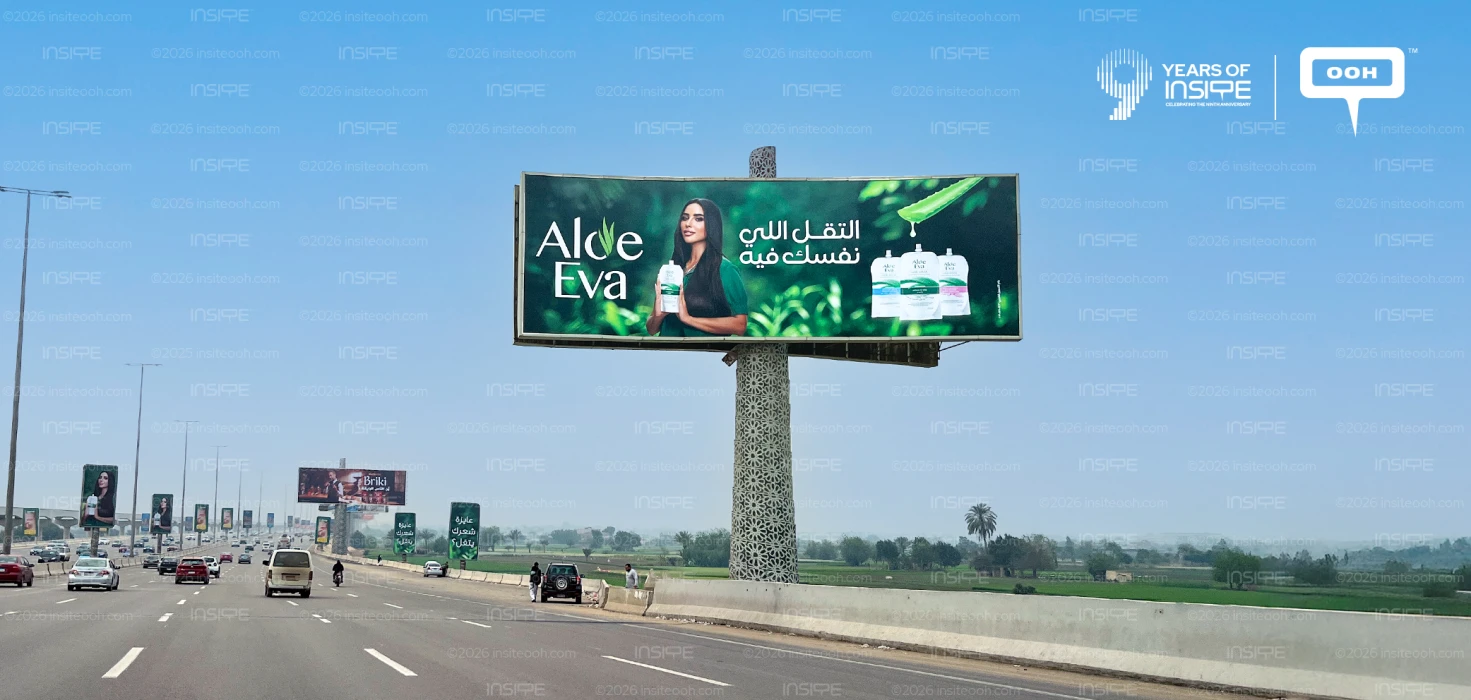
The campaign launched first through outdoor advertising, and deliberately so. Billboard spaces across Mansoura, Tanta, and multiple governorates carried a key visual that placed nature and the brand's signature promise, "the thickness you desire," side by side in a single, coherent frame. The cause and the result, resolved in one glance.
What anchored the visual was Aya Samaha, whose association with the brand began when she was a rising star during Ramadan. The decision was practical as much as it was strategic: her hair in the ad is her own, the same hair audiences had already seen in series and films. In a campaign built on authenticity, that detail mattered.
A Direction They Almost Took
The campaign nearly looked very different. An earlier creative direction, centered on dramatizing strength, involved imagery of models pulling cars with their hair. The team explored it seriously before pulling back.
Authenticity is not a talking point for Aloe Eva — it is the product's proof of concept. That meant every creative decision had to hold up to the same standard the brand asks its consumers to hold it to. The pivot toward a purer, more grounded key visual wasn't a compromise. It was a correction that ultimately produced something more powerful.
Surrounding the Consumer
The outdoor layer triggered recognition. Everything else deepened it.
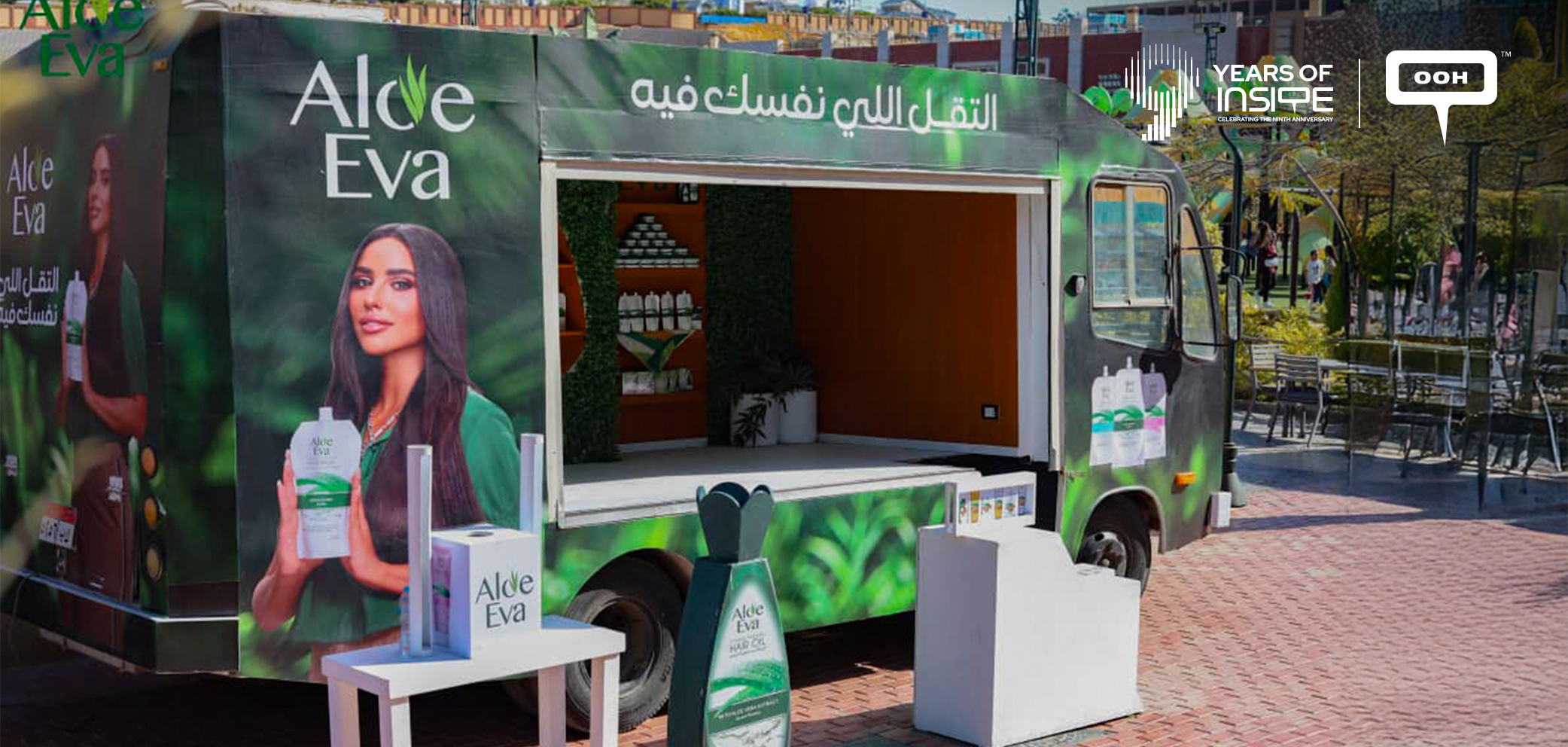
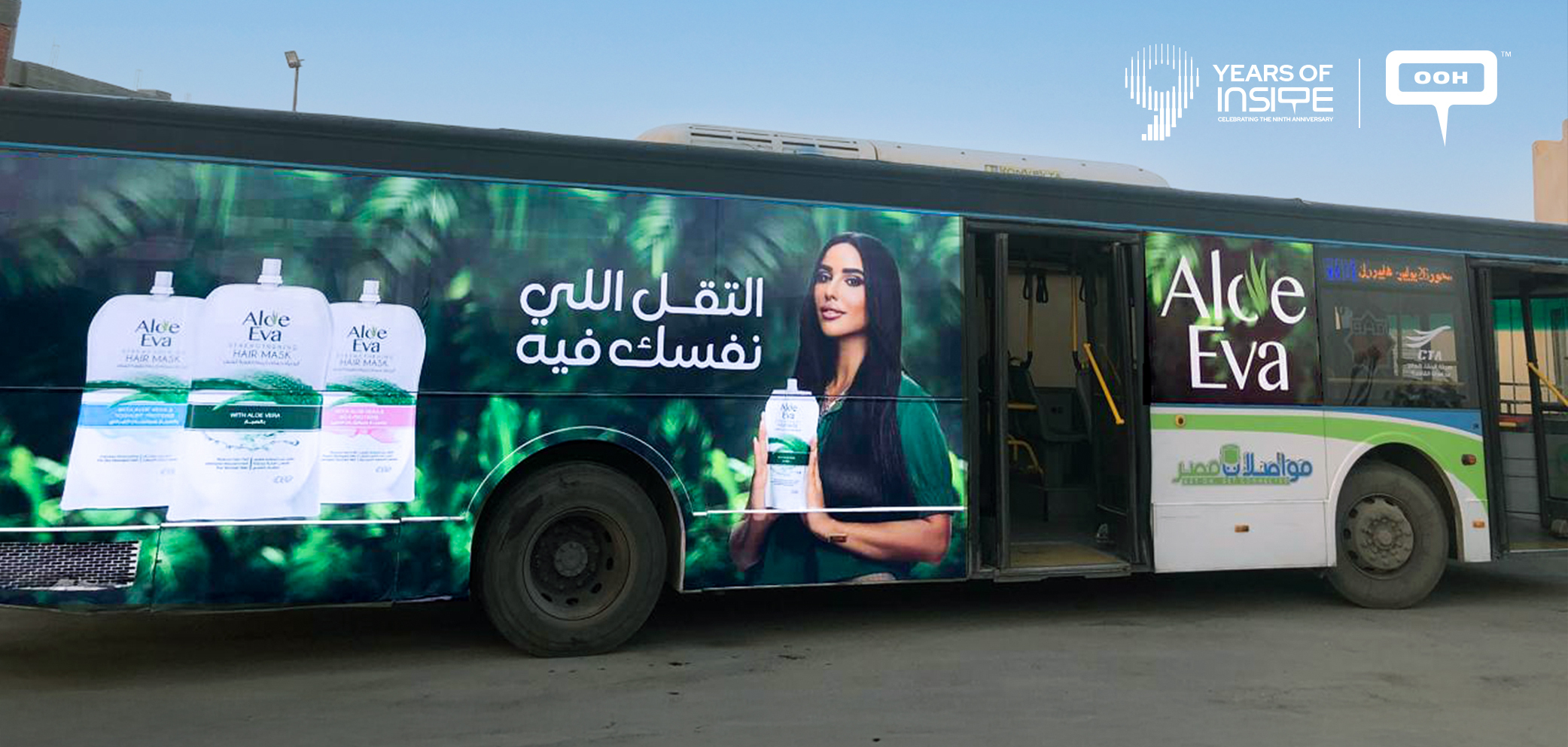
Digital platforms extended the message, with Instagram leaning into the aesthetic of nature and Facebook taking a more educational approach, explaining how Aloe Vera and Argan oil interact with the scalp at a biological level. Roadshows brought the key visual off the billboard and into physical spaces, their exteriors wrapped entirely in the campaign's imagery. Bus branding placed the message in motion across cities. Sampling gave consumers the product in their hands before they'd made any decision at all.
The influencer strategy was equally deliberate. Influencers were selected not for their reach but for their credibility, their diversity in background and geography, and their willingness to share a genuine journey rather than a scripted testimonial. The resulting content felt less like advertising and more like conversation, and consumers responded to it as such.
What the Market Was Actually Asking For
The feedback from the roadshow governorates became the most telling measure of success. Consumers were beginning to make the connection the brand had spent years trying to establish: that Aloe Vera isn't simply a natural ingredient chosen for its scent or its heritage appeal. It is the mechanism behind the result.
"The market in Egypt isn't just looking for price,". "It's looking for value." That value, Aloe Eva now argues, is what happens when a brand trusts its consumer enough to give them the full picture: the why behind the what, the cause behind the result, and the nature behind the thickness.
Come on, tell us what you feel about this article.

Learn about this campaign budget, media plan, campaign data


.jpg)
